The Alarming Statistics of Drunk Driving in the United States
The consequences of drunk driving are always devastating. Every year, thousands of innocent people lose their lives in alcohol-related accidents. According to the National Highway Traffic Safety Administration (NHTSA), every day, about 37 people die in drunk-driving crashes in the United States. In 2021, these numbers increased by 14% from 2020, with 13,384 people dying in alcohol-impaired driving traffic deaths. This blog post aims to shed light on the alarming statistics of drunk driving in the United States, explain how alcohol works in our bodies, and encourage everyone to act responsibly when consuming alcohol.
Consuming alcohol impairs a person's ability to think, reason, and make sound judgments. As a result, operating a vehicle while under the influence of alcohol is dangerous and illegal. When a person drinks an alcoholic beverage, the alcohol is absorbed directly through the walls of the stomach and small intestine. This substance then passes into the bloodstream, where it accumulates until the liver metabolizes it. The alcohol level in a person's body is measured by the amount of alcohol in a certain volume of blood, also known as Blood Alcohol Concentration (BAC). At a BAC of .08 grams of alcohol per deciliter (g/dL) of blood, crash risk increases significantly.

Driving with a BAC of .08 or higher is illegal in all 50 states, the District of Columbia, and Puerto Rico. However, even a small amount of alcohol in a driver's bloodstream can affect their driving ability and increase the possibility of an accident. In 2021, there were 2,266 people killed in alcohol-related crashes where a driver had a BAC of .01 to .07 g/dL. This data shows that drinking and then driving any amount may lead to dangerous outcomes.
Law enforcement officials measure a driver's BAC by conducting a breathalyzer test. This device measures the amount of alcohol in a person's breath, or through a blood test. The penalties for drunk driving vary from state to state but can include fines, imprisonment, license revocation, and community service.
Alcohol consumption is a widespread issue throughout the world, and driving while under the influence of alcohol is a preventable offense. Before consuming alcohol, it's essential to choose a designated driver or plan ahead for transportation. If you are out drinking and don't have a designated driver, consider taking a taxi or public transportation to avoid endangering yourself and others on the road.
The alarming statistics of drunk driving show how dangerous and life-threatening this action is. To ensure road safety, people must avoid drinking and driving and instead opt for alternatives. While it's essential to enjoy life responsibly, it's equally important to prioritize safety and think ahead. Let's work together to prevent future accidents by making a conscious effort to avoid drinking and driving or by staying away from alcohol altogether. Together we can create a safer and happier world.
The Effects of Blood Alcohol Concentration
-
At a BAC level of .02, expect to experience some loss of judgment accompanied by a feeling of relaxation, slight body warmth, and an altered mood. However, if you are behind the wheel, be aware that this level of alcohol in your system results in a decline in your visual functions, making it difficult to track moving targets, and a decline in your ability to perform multiple tasks, making it challenging to divide your attention. Stay safe and avoid operating a vehicle when consuming alcohol.
-
At a blood alcohol concentration (BAC) of 0.05, one may experience exaggerated behavior, loss of small-muscle control such as eye focusing, impaired judgment, a sense of well-being, lowered alertness, and a release of inhibitions. These effects can have a significant impact on one's ability to drive safely, leading to reduced coordination, difficulty tracking moving objects, impaired steering ability, and diminished response to emergency driving situations. It is essential to recognize the predictable consequences of drinking and driving, and always prioritize the safety of oneself and others on the road.
-
When your blood alcohol content (BAC) reaches .08, several detrimental effects can occur. You may experience a decline in your muscle coordination, resulting in poor balance, speech, vision, reaction time, and hearing. Additionally, your ability to detect danger will diminish, as will your judgment, self-control, reasoning, and memory. These effects can have a significant impact on your driving abilities, specifically in terms of concentration, speed control, short-term memory loss, reduced information processing capability (such as signal detection and visual search), and impaired perception. Be aware of these dangers and take measures to avoid impaired driving.
-
With a blood alcohol concentration (BAC) of .10, you can expect a significant impact on your physical abilities and decision-making skills. Your reaction time and coordination will worsen, and talking will be difficult due to slurred speech. Additionally, your ability to maintain your lane and brake properly will be hindered while driving. It's crucial to avoid getting behind the wheel after consuming alcohol to ensure the safety of yourself and others on the road.
-
At a blood alcohol concentration (BAC) level of .15, you could experience significant physical effects such as reduced muscle control and potentially vomiting (though slow consumption or alcohol tolerance may reduce this risk). Alongside these physical symptoms, you may also experience a major loss of balance.
These effects will have a serious impact on your ability to drive safely. Research shows that at this level of intoxication, you are likely to experience substantial impairment in your vehicle control, ability to focus on the task of driving, and your ability to process necessary visual and auditory information. It's important to be aware of the risks and to plan ahead to avoid getting behind the wheel when you are not in a fit state to drive safely.

Be A Responsible Driver
Be A Responsible Driver
BE A RESPONSIBLE DRIVER. IF YOU PLAN ON DRINKING, DON’T DRIVE. IT’S THAT SIMPLE.
Prior to the festivities, plan your safe ride home and select a non-drinking friend to be your designated driver.
If you notice a friend has been drinking, take away their keys and assist them in arranging a sober ride home. Never drive if you've consumed alcohol - instead, call a ride-hailing service, taxi, or sober friend for assistance.
When hosting parties with alcohol, confirm all guests leave with a sober driver.
Always remember to wear your seat belt, as it is your best protection against impaired drivers. If you come across an impaired driver while on the road, contact local law enforcement - your actions could save someone's life.
Make a donation.
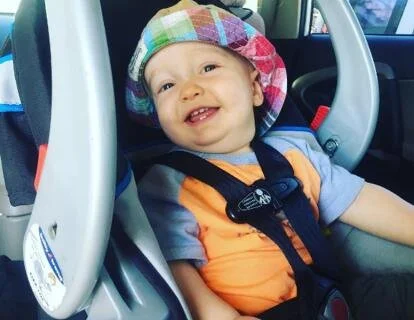
Your contribution to Liam's Life Foundation will go towards raising awareness about the issue of drunk driving, education on how to prevent drunk driving deaths, and our fight to lower the legal B.A.C. (blood alcohol content) while driving from .08 to .05.